



Five 7-Minute Workout Variations for Every Fitness Level
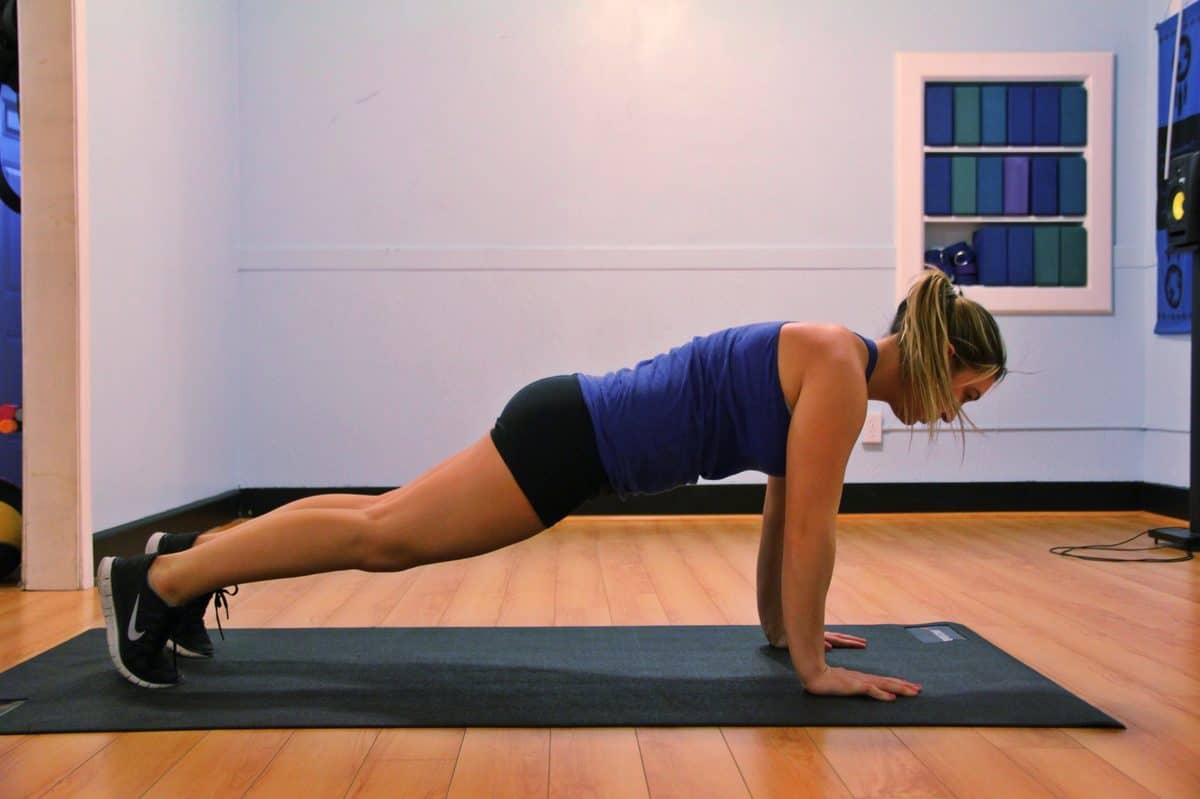
The 7-minute workout is one of the most widely shared exercise routines ever published — and for good reason. It asks for nothing but your body weight, a chair, and a wall, and it takes roughly seven minutes. But the classic version is a high-intensity circuit, and it’s not the right fit for every body on every day. That’s where 7 minute workout variations come in: the same compact format, adapted to your fitness level, your joints, and your goals.
This article starts with a quick refresher on the original routine, then walks through five variations — beginner, classic, advanced, low-impact, and a weekly split — each with who it’s for, the exact structure, and one form or safety tip. No equipment claims, no calorie promises, just a clear plan you can start this week.
The Original: 12 Exercises, 30 Seconds On, 10 Seconds Off
The original 7-minute workout was developed by Chris Jordan and Brett Klika and described by exercise physiologists Klika & Jordan in ACSM’s Health & Fitness Journal in 2013. It combines aerobic and resistance training in a single high-intensity circuit built around 12 bodyweight exercises, performed for 30 seconds each with 10 seconds of rest between them — about seven minutes in total.
The 12 moves: jumping jacks, wall sit, push-ups, abdominal crunches, step-ups onto a chair, squats, triceps dips on a chair, plank, high knees in place, lunges, push-up and rotation, and side plank. Each exercise is meant to be performed at high intensity, with transitions kept short so your heart rate stays up. Standard guidance applies before you try it: warm up first, and if you are new to exercise or have a health condition, check with a doctor before starting.

Variation 1: The Beginner (Longer Rests, Lower Impact)
Who it’s for: anyone returning to exercise after a break, anyone who finds the 10-second rests too short, and anyone who tires before the end of the classic circuit.
The structure: the same 12 exercises, 30 seconds each — but with 30 seconds of rest between exercises instead of 10, for one full round. That stretches the session to about 13 minutes, trading brevity for recoverability. Swap in lower-impact options wherever a move feels too demanding: march in place instead of jumping jacks, bodyweight squats to a chair instead of deep lunges, and incline push-ups against a sturdy table or countertop instead of floor push-ups.
Tip: treat form as the workout’s real measure. A clean set of 12 squats with knees tracking over your toes beats 25 rushed ones. When you can finish the round comfortably and your breathing settles during the rests, you’re ready to shorten them.
Variation 2: The Classic (Exactly As Published)
Who it’s for: active adults with a base level of fitness who want the routine exactly as Klika & Jordan designed it.
The structure: 12 bodyweight exercises, 30 seconds of work followed by 10 seconds of rest, one round, roughly seven minutes. No substitutions, no added equipment — just a chair and a wall. Work each station hard enough that talking feels difficult; that’s the “high intensity” the original format depends on. If you want more bodyweight ideas to rotate in later, our roundup of fat-burning bodyweight exercises is a natural companion list.
Tip: set up your stations before you start. The 10-second transitions leave no time to drag a chair across the room or find a clear stretch of wall — a little staging keeps the heart-rate demand intact.
Variation 3: The Advanced (More Rounds, More Load)
Who it’s for: experienced exercisers who finish the classic round and feel ready for more.
The structure: run the full 12-exercise circuit 2–3 times, resting 2–3 minutes between rounds. To raise the challenge further, add resistance to the movements that take it safely: a weighted vest or backpack for squats, lunges, and step-ups, or dumbbells in hand for the push-up and rotation. Keep the work-to-rest ratio honest — if your form breaks down, drop the load or stop the round.
Tip: progress one variable at a time. Add the second round first; add load only once two clean rounds feel routine. Doubling both volume and resistance in the same week is a reliable recipe for excessive soreness or injury.

Variation 4: The Low-Impact (Joint-Friendly)
Who it’s for: anyone with sensitive knees, ankles, or wrists — or anyone who simply wants a workout with no jumping and no floor pounding.
The structure: 12 exercises, 30 seconds on, 20–30 seconds of rest, one round. The difference is the swaps: step jacks (step one foot out at a time, arms overhead) instead of jumping jacks; incline push-ups with hands on a sturdy table or countertop instead of floor push-ups; wall sits held at a shallow angle rather than 90 degrees; and a standing side crunch or standing oblique reach instead of floor side planks. Step-ups use a low, stable step rather than a tall chair.
Tip: choose surfaces with give — a mat under your knees for any floor work, and supportive shoes rather than bare feet on hard floors. Low impact does not mean low effort: move at a brisk pace, and you will still finish breathing hard.
Variation 5: The Weekly Split (Rotate the Emphasis)
Who it’s for: people who want to do a 7-minute workout most days of the week without hammering the same muscles every session.
The structure: keep the 30-on/10-off timing, but rotate the emphasis across days — for example, Monday: lower-body emphasis (wall sits, squats, lunges, step-ups, high knees, jumping jacks, plus planks for core); Wednesday: upper-body emphasis (push-ups, triceps dips, push-up and rotation, wall sit holds for stability, step-ups, crunches, side planks); Friday: core emphasis (plank, side plank, crunches, push-ups, wall sits, squats, jumping jacks). This gives each muscle group roughly 48 hours of recovery between hard sessions — the standard guidance for resistance training.
Tip: write the three days down and keep them identical week to week. A consistent rotation makes progress visible: when Monday’s lower-body day feels easy, you’ll know it’s the variation to level up, not the others.

How to Progress From One Level to the Next
Move up only when the current level feels manageable, not just survivable. A practical checklist:
- Beginner → Classic: you can finish the full 12 exercises with 15-second rests, all swaps feel easy, and your breathing recovers within the rest periods.
- Classic → Weekly Split: the classic round feels routine, and you want to train more days per week with better recovery.
- Classic → Advanced: two back-to-back classic rounds with good form, no dizziness, and no joint complaints during or after.
Give each level at least two to three weeks before advancing — fitness adaptations to circuit training build over weeks, not days. And regression is always allowed: a low-impact week after illness, travel, or a stressful stretch is smart training, not lost progress.
A Gentle 7-Minute Workout for Beginners Over 50
The classic 7-minute workout uses jumping jacks, floor push-ups and planks. That’s a lot if you’re over 50, new to exercise, or coming back after a break. This low-impact version keeps the same idea (a short circuit of 30-second moves that works the whole body) but uses only a sturdy chair and a wall. There’s no jumping and no getting down on the floor.
Check with your doctor before starting a new exercise program, especially if you have heart, joint or balance concerns.
How it works
Do each move for about 30 seconds, with a short rest in between. Every move has an easier and a harder option. Move at a pace where you can still talk, and stop any move that hurts.
| # | Move | Easier option | Harder option |
|---|---|---|---|
| 1 | Chair squat | Sit fully, then stand | Hover above the seat for 1 second |
| 2 | Wall push-up | Stand closer to the wall | Step your feet farther back |
| 3 | Standing march | Small knee lifts, holding the chair | No hands, pump your arms |
| 4 | Seated knee extension | Small range | Hold the straight leg for 2 seconds |
| 5 | Standing side leg lift | Tiny lift | Slower lowering |
| 6 | Wall or counter plank | Stand more upright | Step your feet farther back |
| 7 | Supported step-back lunge | Short step, small bend | Longer step, deeper bend |
| 8 | Arm circles and overhead reach | Elbows bent | Bigger, slower circles |
| 9 | Heel raise | Small lift | Lower for a count of 3 |
| 10 | Seated twist and standing reach | Small turn | Fuller reach |
Warm up first with 30 to 60 seconds of gentle marching and shoulder rolls. Cool down afterward with slow marching, deep breaths and a calf stretch at the chair.
How it fits your week
The CDC’s guidelines for adults 65 and older call for at least 150 minutes a week of moderate aerobic activity, muscle-strengthening activities on at least 2 days a week, and activities to improve balance (CDC). A short circuit like this can be one part of that. When one round feels easy, do two. Pair it with the 10-minute balance routine for over 50s, and when you’re ready to progress, see the perfect push-up and how to squat like a pro.
This section is general exercise information, not medical advice.
The Safety Disclaimer
These variations are general fitness information, not medical advice. The original 7-minute workout is a high-intensity routine, and high-intensity exercise is not appropriate for everyone. Warm up before every session, stop if you feel chest pain, dizziness, or sharp joint pain, and talk to your doctor before starting a new exercise program — especially if you have a heart condition, high blood pressure, or a history of joint problems. Work out in a clear space, use a sturdy chair and step, and keep water nearby. Seven minutes is short; there is no reason to push through warning signs.


